Categorías
nuevo blog
Invertir en equipos para concesiones comerciales requiere equilibrar el gasto de capital inicial con el rendimiento a largo plazo y la fiabilidad operativa. Para multicines, parques temáticos, tiendas de palomitas de maíz gourmet y fábricas de aperitivos de gran volumen, una máquina estándar para lotes pequeños resulta insuficiente. Los compradores suelen preguntar:¿Cuánto cuesta una máquina de palomitas de maíz comercial de alta capacidad?
En el mercado comercial actual, las máquinas de palomitas de maíz de alta capacidad (que van desde calderas de 32 oz hasta 52 oz, unidades de doble caldera y líneas automatizadas continuas) suelen costar entreEntre 2.800 y más de 45.000 dólares estadounidenses.El precio exacto depende de la capacidad de la tetera, la tecnología de calentamiento (resistencia eléctrica tradicional frente a inducción electromagnética de alta eficiencia), las funciones de automatización y la ventilación integrada. Comprender los factores clave que influyen en el precio permite a los empresarios realizar una inversión basada en datos que maximiza la productividad por hora y minimiza el tiempo de inactividad operativa.
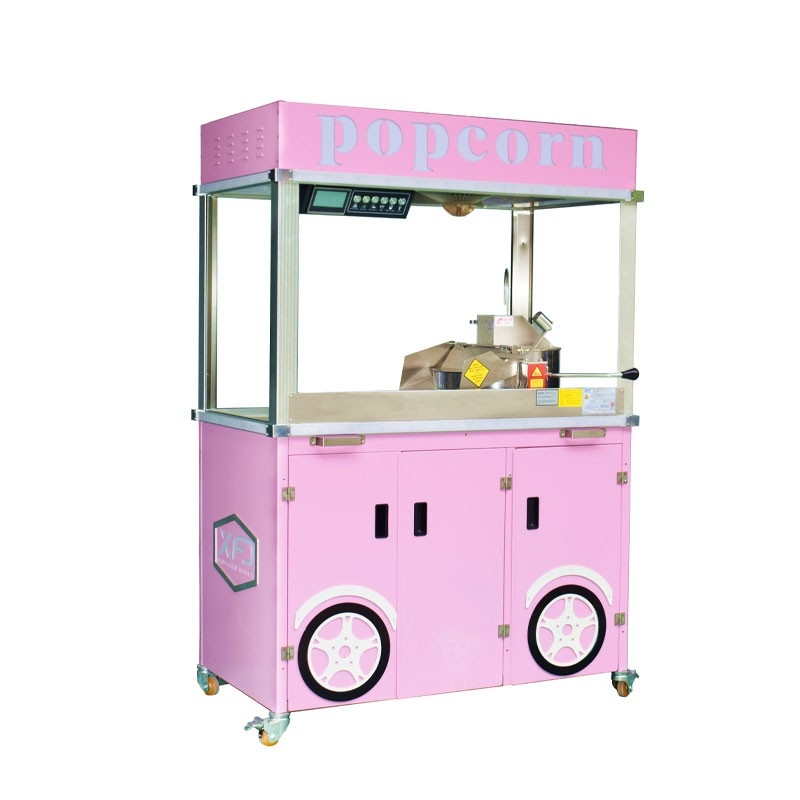
Modelo básico de alta capacidad (32 oz – 36 oz):Los precios oscilan entre 2.800 y 6.500 dólares, lo que los hace adecuados para teatros de tamaño mediano, grandes puestos de venta de comida y bebida, y espacios para eventos.
Sistemas comerciales de alta resistencia y sistemas de doble caldera (48 oz – 52 oz / Doble 36–48 oz):Los precios oscilan entre los 6.500 y los 16.000 dólares, y están diseñados para cadenas de cines, parques de atracciones y complejos de entretenimiento de gran afluencia.
Líneas industriales automatizadas de desmoldeo y recubrimiento:Las líneas industriales de aire caliente y de múltiples calderas totalmente automatizadas tienen precios que oscilan entre los 18.000 y los 55.000 dólares o más, y están diseñadas para el envasado comercial al por mayor de aperitivos.
Determinantes de costos principales:El calentamiento por inducción electromagnética, la construcción en acero inoxidable SUS304 apto para uso alimentario, los sistemas automatizados de bombeo de aceite y los controles táctiles PLC inteligentes influyen significativamente en el precio inicial y el retorno de la inversión.
Ventaja del abastecimiento directo:Abastecerse directamente de fabricantes originales certificados comoPalomitas de maíz XFDOfrece reducciones de costes sustanciales, asistencia técnica directa e ingeniería personalizada en comparación con los márgenes de beneficio de marcas de terceros.
Los equipos comerciales para hacer palomitas de maíz se clasifican según su capacidad de producción (medida en onzas de maíz crudo por ciclo) y su automatización. La siguiente tabla muestra los precios estándar del mercado, la producción esperada y las aplicaciones comerciales recomendadas:
|
Categoría de máquina |
Tamaño/tipo de hervidor |
Producción horaria (palomitas de maíz) |
Rango de precios estimado (USD) |
Aplicación ideal |
|---|---|---|---|---|
|
Popper suspendido de una sola olla |
32 oz – 36 oz Eléctrico/Inducción |
40 – 55 libras/hora (18 – 25 kg/hora) |
$2,800 – $5,800 |
Cines medianos, estadios deportivos, carnavales |
|
Abridor de pie de gran formato |
Hervidor individual de 48 oz – 52 oz |
60 – 80 libras/hora (27 – 36 kg/hora) |
$5,500 – $9,200 |
Multicines de gran afluencia, atracciones turísticas |
|
Planta de popping doble maxi |
Dos hervidores de agua de 36 oz / Dos hervidores de agua de 48 oz |
120 – 160 libras/hora (55 – 72 kg/hora) |
$9,500 – $16,800 |
Cadenas de cines emblemáticas, cocinas centrales de preparación |
|
Sistema 2 en 1 para hacer palomitas y caramelizar |
Mesa para palomitas y rebozadoras de 36 oz/48 oz |
50 – 90 libras/hora (con sabor) |
$7,200 – $14,500 |
Tiendas de palomitas de maíz gourmet, bares de aperitivos |
|
Línea de producción industrial continua |
Sistema de inducción/aire caliente para múltiples hervidores |
200 – 600+ libras/hora (100 – 300+ kg/hora) |
$18.000 – $45.000+ |
Fábricas de snacks comerciales, marcas de envases de productos de consumo envasados |
Al seleccionar productos de calidad profesionalMáquinas comerciales para hacer palomitas de maízEl precio inicial del equipo debe evaluarse en función de la calidad de fabricación, las tasas de consumo de energía y la frecuencia de mantenimiento.
Para entender por qué una máquina de palomitas de maíz de 48 onzas cuesta 4.000 dólares mientras que otra cuesta 9.000 dólares, la clave reside en sus componentes mecánicos, térmicos y eléctricos fundamentales.
Las palomiteras tradicionales utilizan elementos calefactores eléctricos tubulares sujetos bajo la placa de cocción. Si bien su producción es más económica, presentan problemas como una distribución desigual del calor, puntos calientes, ciclos de recuperación más lentos y una mayor degradación energética con el tiempo.
Los sistemas comerciales avanzados incorporancalentamiento por inducción electromagnéticaLa inducción genera una transferencia de calor rápida y uniforme directamente sobre la superficie de la olla, reduciendo los tiempos de precalentamiento y de preparación hasta en un 25-35%. Si bien las máquinas de inducción tienen un precio inicial entre un 15% y un 30% superior, reducen drásticamente el consumo eléctrico y evitan que el azúcar se queme o que los granos no se revienten.
Las marmitas de alta capacidad varían desde 32 oz hasta 52 oz por lote. Las marmitas más grandes requieren sistemas de resortes suspendidos reforzados, motores agitadores industriales de alto torque y tuberías de gran calibre aptas para uso alimentario.acero inoxidable SUS304para evitar la deformación por expansión térmica. Configuraciones de doble caldera, como las modularesplantas de palomitas de maíz gemelas, duplicar la capacidad de producción dentro de una única concesión, utilizando una infraestructura centralizada de distribución de electricidad y petróleo.
El vertido manual de aceite ralentiza la producción y provoca una calidad inconsistente del producto. Las modernas máquinas de palomitas comerciales integran sistemas automatizados de bombeo de aceite peristáltico con calefacción que dispensan dosis precisas con solo pulsar un botón o activar un ciclo programado. Los sistemas de gama alta cuentan con pantallas táctiles PLC, memoria para recetas predefinidas (para palomitas dulces, saladas o tipo kettle) y mecanismos de vaciado automático de la caldera que ahorran costes laborales.
Commercial cinema concessions and enclosed shopping malls enforce strict air quality regulations. Premium high-capacity poppers feature integrated recirculating exhaust hoods with multi-stage stainless baffle filters and plasma oil-fume purification. Machines equipped with self-contained internal ventilation eliminate the need for expensive dedicated building ducted hoods, saving operators thousands of dollars in commercial kitchen installation costs.
A complete commercial popcorn operation requires more than just a popper. High-capacity production lines must integrate supporting units to preserve product crispness and expand flavor offerings:
To produce gourmet flavored products like caramel, cheese, chocolate, or savory glazed corn, poppers work in tandem with acommercial popcorn caramelizer and coater. These systems maintain precise sugar melting temperatures and feature high-efficiency coating drums that ensure uniform coverage without crushing delicate mushroom or butterfly popcorn.
Once popped, high-volume batches must remain crisp, fresh, and warm during peak concession rush hours. Commercialpopcorn staging cabinets and warmersutilize circulating dry-air heating systems to maintain precise serving temperatures and humidity levels, preventing sogginess in humid environments.
While an investment of $5,000 to $15,000 might seem substantial, commercial popcorn remains one of the highest-margin food items in the foodservice industry, typically carrying profit margins between80% and 90%.
|
Metric / Component |
Standard Medium Tub (approx. 85 oz / 2.5 oz raw corn) |
|---|---|
|
Raw Corn Kernels (Mushroom/Butterfly) |
$0.15 – $0.22 |
|
Popping Oil (Coconut/Palm Oil) |
$0.12 – $0.18 |
|
Flavored Glaze / Seasoning Salt |
$0.08 – $0.15 |
|
Branded Packaging / Paper Tub |
$0.18 – $0.30 |
|
Total Cost of Goods Sold (COGS) |
$0.53 – $0.85 per tub |
|
Average Commercial Selling Price |
$6.50 – $8.50 per tub |
|
Net Profit per Unit Sold |
$5.97 – $7.65 (88%+ margin) |
A venue selling an average of 150 tubs per day will generate over$900 in daily gross profit. At this operational volume, a $7,500 high-capacity 48 oz commercial popcorn machine pays for itself in less than9 to 12 operational days.
Purchasing commercial concession equipment through intermediary distributors often introduces a 30–50% markup. Partnering directly with established manufacturing enterprises likeXFD Popcorn (Xin Feng Da)provides critical commercial advantages:
Proven Industry Track Record:Recognized as a National High-Tech Enterprise, supplying leading cinema circuits such as Wanda Cinemas, Poly Cinemas, and international snack distributors.
Patented Heating Innovations:Proprietary electromagnetic poppers and integrated energy-saving heating architectures ensure rapid batch cycles and long service life.
International Safety Certifications:Full CE certification, ISO quality management standards, and Halal-compliant engineering ensure seamless compliance with worldwide import standards.
End-to-End System Solutions:From tabletop 16 oz concession poppers to 52 oz giant cinema kettles, automated coating drums, and vertical bagging lines, direct factory customization caters to exact commercial specifications.
Selecting the right high-capacity commercial popcorn machine is an investment in production speed, batch consistency, and long-term operating profit. By evaluating kettle dimensions, heating efficiency, automation, and total cost of ownership, operators can secure reliable equipment tailored to their commercial volume.
In commercial popcorn manufacturing, kettles with a capacity of32 oz, 36 oz, 48 oz, and 52 ozare classified as high capacity. Standard commercial concession poppers (8 oz to 16 oz) yield approximately 10–20 lbs of popcorn per hour, whereas a high-capacity 48 oz single kettle produces 60–80 lbs/hr, and a twin-kettle unit reaches up to 160 lbs/hr.
Yes. Although induction popcorn poppers cost 15% to 30% more upfront than standard resistance coil machines, they consume up to 30% less electricity, reach popping temperature faster, provide precise thermal regulation to avoid burning, and eliminate replacement costs associated with burned-out electric heating tubes.
High-capacity commercial machines (32 oz to 52 oz) typically require dedicated3-phase electrical connections (380V–415V, 50/60Hz)or high-amperage single-phase (220V–240V) supplies, drawing between 5.5 kW and 12 kW depending on kettle count and integrated warming tables. Always review electrical specifications before site installation.
When manufactured with commercial-grade SUS304 stainless steel and maintained according to schedule, high-capacity popcorn machines have an average service lifespan of8 to 12+ yearsin continuous high-demand environments. Regular kettle cleaning using food-safe kettle cleaners and proper oil pump maintenance are essential for maximizing equipment longevity.
El precio de los equipos comerciales varía según la marca personalizada, la adaptación de voltaje, las bombas de aceite opcionales y las configuraciones de etapas auxiliares. Puede comunicarse directamente con el equipo de ventas de ingeniería a través dePalomitas de maíz XFDpara recibir un catálogo completo de productos, un presupuesto directo de fábrica y una consulta personalizada sobre el diseño de la línea de producción.
 No.58 TongMing Road,TongAn District,XiaMen City,FuJian Province
 +86-592-5701935
si está interesado en algún producto xfd, por favor déjenos un mensaje, le responderemos pronto.
Derechos de autor © 2012-2026 XFD XIAMEN MACHINERY TECHNOLOGY LTD..Todos los derechos reservados.
 español
 English
 Deutsch
 русский
 português
 Nederlands
 العربية
 हिंदी
हिंदी